
Self storage during home renovations gives you somewhere to keep furniture and household belongings while work takes over part of your home. Clearing the rooms being refurbished can reduce the chance of accidental damage, give tradespeople more space and help you keep the rest of the house usable.
It is not necessary for every decorating job. If you are painting one bedroom and have a suitable spare room, moving a few items within the house may be enough. Storage becomes more useful when several rooms are affected, bulky furniture blocks access or you would otherwise spend weeks shifting belongings from one space to another.
The key is to plan around the work you are having done. Decide what needs to leave, what you will need each day and how you will bring everything back once the rooms are ready.
Why clearing rooms makes renovation work easier
A room that looks spacious in normal use can feel very different once it contains tools, work platforms, protective coverings and building materials. Furniture left in the middle may restrict access to walls, floors, sockets or pipework.
Moving non-essential belongings out before work starts gives your contractor a clearer space to assess and work in. It also reduces the number of times a sofa, cabinet or stack of boxes needs to be moved as different trades arrive. That can make the job easier to organise, although storage alone cannot guarantee a faster finish or a lower building bill.
Ask the contractor exactly which rooms and routes need to be clear. A kitchen refurbishment, for example, may affect the hallway used for deliveries as well as the kitchen itself. Floor fitting may require an entire room to be empty, rather than furniture simply pushed to one side.
Agree responsibility for moving large items before the start date. Do not assume the building team has included furniture handling in its quotation.
Keep furniture away from dust, splashes and accidental knocks
Sanding, cutting and removing old finishes can create dust, while decorating and carrying materials introduce opportunities for spills and knocks. A dust sheet is useful for appropriate protection, but it does not move a valuable chair out of a busy working area.
Taking furniture, rugs, curtains and boxed possessions away from the affected rooms reduces their exposure to the work. It can be particularly helpful with upholstery and items that are awkward to clean afterwards.
Storage does not replace the contractor’s arrangements for controlling dust and separating work areas. Discuss those arrangements even when the rooms have been emptied. If you are staying at home, agree which spaces you can use and how access will be managed during disruptive stages.
Photograph furniture before transport and use suitable protective materials. Items can still be damaged through poor packing, insecure loading or unsuitable stacking, so moving them off site is only one part of looking after them.
Keep the rest of your home usable
Renovation clutter has a habit of spreading. The dining table moves into the lounge, kitchen equipment fills the spare bedroom and the hallway becomes a temporary warehouse. Even if those arrangements work for a weekend, they can become tiring over a longer project.
Self storage lets you remove belongings you will not need while keeping a manageable living area at home. That may mean a clear table for meals, a workable home office or simply somewhere to sit without navigating piles of boxes.
Keep everyday essentials separate before anything leaves the house. Depending on the project, these might include:
- Clothes, toiletries and bedding for the period of the work.
- Work equipment, chargers and essential paperwork.
- A small selection of kitchen items for your temporary cooking arrangements.
- Children’s school equipment, favourite toys and daily supplies.
- Cleaning equipment needed for the spaces you are still using.
Keep medicines, identification and other important personal items with you. Do not pack something essential into storage on the assumption that you will remember which box contains it.
Which renovation projects are most likely to benefit?
Kitchen renovations. Cupboard contents, dining furniture and freestanding appliances may need a temporary home. Make a separate plan for the equipment you will use every day, and arrange safe appliance disconnection with an appropriate professional.
New flooring. Emptying the room can give installers the access they need and avoid repeatedly shifting heavy furniture. Ask when furniture can return and whether any special precautions are needed for the new surface.
Extensions and substantial refurbishments. Several rooms and access routes may be affected at once. A larger clearance can be more practical than trying to keep moving belongings ahead of each stage.
Bedroom or loft conversions. Furniture and stored boxes often need to be removed before work begins. Sort through loft contents first so that you do not pay to store items you no longer want.
Decorating a single room. Storage may be unnecessary if another suitable room can accommodate everything without blocking routes or making normal life difficult. Compare that option before booking space.
Decide what to store before choosing a unit
Start with an inventory of the rooms affected by the work. Divide the contents into things to keep at home, items to store and possessions to sell, donate or recycle.
Furniture you intend to use in the finished room is an obvious candidate. Books, ornaments, spare bedding and seasonal belongings can also leave temporarily if you will not need them during the project.
A renovation is a useful opportunity to reconsider items that no longer fit your home. If a wardrobe will not work with the new layout, paying to transport, store and return it may not be worthwhile. Our advice on what to take, store, sell or donate can help you work through those decisions.
Give the storage team an item list, approximate measurements and photographs where useful. Mention unusually long, heavy or fragile pieces. A room count alone does not explain whether you are storing a compact dining set or a large table that cannot be dismantled.
Choose storage around access, suitability and location
The right unit needs to suit the belongings and the way you expect to use it. Think about the largest item, the doorway, loading arrangements and whether you will need to retrieve individual boxes while the renovation is under way.
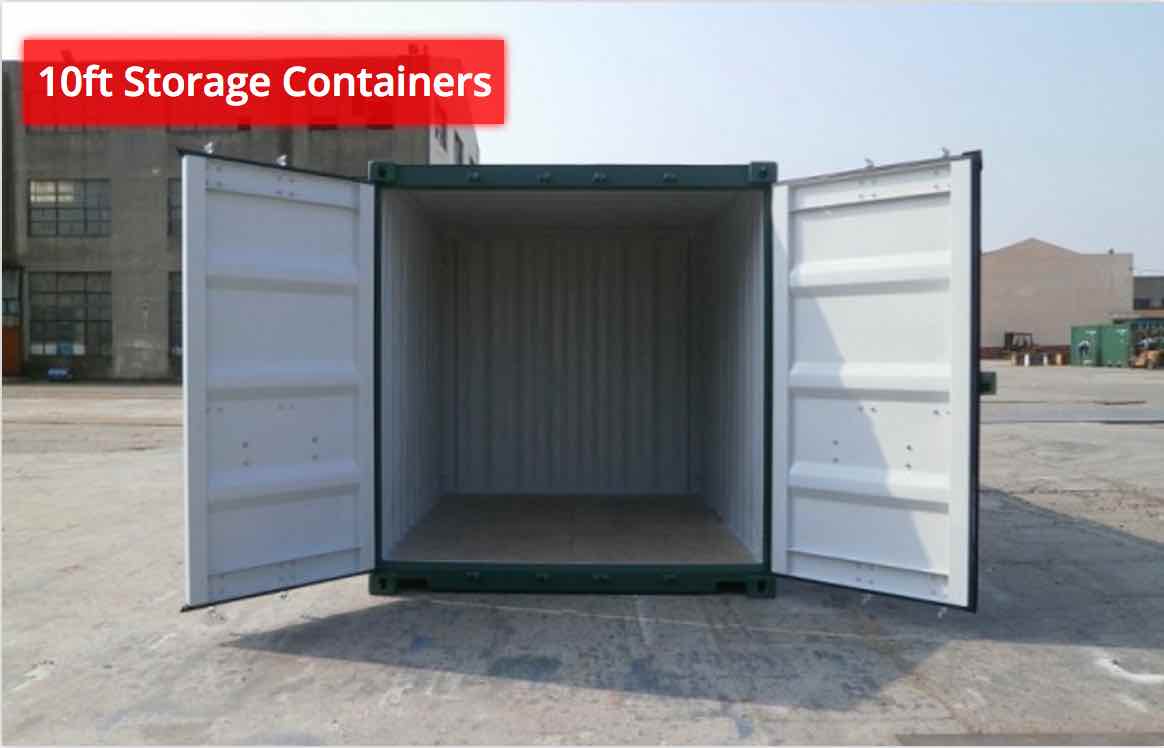
Steeles offers self storage across Cumbria, including indoor units and outdoor containers. The service page includes a size guide and describes drive-up access for outdoor storage. Ask the team which available option suits your furniture, access needs and proposed dates.
Access arrangements differ between storage options. Check the hours and arrangements for the exact site and unit before booking, particularly if you expect to visit after work or at weekends. Do not assume that every unit offers the same access because it is supplied by the same company.
If you need regular access, allow space to reach likely retrieval items. Packing every available inch may reduce the floor area required but create extra handling whenever you need something from the back.
Tell the team about belongings that need particular environmental conditions, such as sensitive artwork or instruments. Dry storage and climate-controlled storage are different services; confirm suitability rather than assuming temperature or humidity control is included.
Budget for the complete storage period
Compare the whole arrangement, including transport into storage and the return journey. Ask for a quotation based on your inventory and expected duration, and confirm VAT, any deposit, payment arrangements, lock requirements and insurance or protection requirements.
Renovation dates can change. Find out how an extension would be arranged, what notice is required before ending the booking and whether charges apply in particular billing periods. Do not assume that a unit can be changed or a booking extended without checking availability and terms.
For example, if you expect flooring work to finish on a Friday, avoid arranging furniture delivery solely around that estimate. Confirm the installer’s requirements for returning heavy furniture and have a plan if the room is not ready.
Steeles’ self-storage page asks customers to use an insurance-approved padlock. Confirm the appropriate lock with the team and establish what cover applies to your belongings, including any conditions or exclusions. A secure facility does not remove the need to understand those arrangements.
Storage is most likely to represent good value when it solves a clear problem. For a short, minor job, the transport and storage costs may outweigh the benefit. For a longer refurbishment affecting several rooms, keeping furniture out of the way may be much more useful.
Pack so that belongings are ready to use again
Clean items appropriately and let them dry fully before packing. Avoid enclosing damp textiles or recently cleaned furniture. Check the care instructions for delicate surfaces and ask for advice about suitable wrapping when needed.
Use strong boxes that you can lift and handle safely. Distribute books and other heavy items across smaller boxes, protect fragile pieces individually and label boxes on more than one side.
Our expert packing advice covers preparation in more detail. For a renovation, it also helps to label each box with the room it will return to and whether you may need it before the work finishes.
Where furniture is designed to come apart, dismantling it may make handling and storage easier. Keep labelled fixings with the relevant item and photograph assembly details. Get help with heavy or awkward pieces rather than improvising; see our advice on moving large, heavy or awkward items.
For appliances, follow the manufacturer’s preparation instructions and arrange appropriate disconnection. They should be drained, cleaned and thoroughly dried as applicable before storage. Tell the storage team what you intend to bring.
Check what you cannot store
Do not treat a household storage unit as an overflow building-materials cupboard. The Self Storage Association UK’s customer advice identifies combustible or flammable items, including paint, cleaning solvents and compressed gases, as unsuitable for ordinary self storage.
Ask Steeles for its current prohibited-items list before packing. Check anything uncertain in advance, including chemicals, fuel-containing equipment and battery-powered items. Keep renovation waste out of household storage and agree suitable disposal arrangements with the contractor.
Discuss valuable, irreplaceable or specialist items separately so that suitability and any cover limitations are clear before they are transported.
Plan the return before the renovation finishes
Bring belongings back when the room is ready to receive them, rather than simply when the main tools have left. Ask your contractor about drying or curing times for finishes and any restrictions on placing furniture on new flooring.
Arrange the final clean and check that access routes are clear. If decorating or snagging work is still required, consider whether returning everything immediately will create another round of furniture moving.
Return items in a sensible order. Larger pieces can go into their intended positions first, followed by clearly labelled boxes. Check furniture as it is unpacked and deal with anything that needs attention while the details are fresh.
A simple inventory helps you know what has returned and what remains in the unit. Once everything is out, follow the provider’s process for ending the booking and returning the space.
Can Steeles help me choose an option?
Contact the team with your location, the rooms being renovated, an inventory and your proposed dates. You can review our storage services or contact Steeles to discuss suitable space, current availability and any help you need with transport.
Used thoughtfully, self storage creates room for the renovation while keeping the belongings you want for your finished home out of the working area. Plan what leaves, keep essential items accessible and agree the return around the room’s readiness. Those decisions make storage a practical part of the project.