
Downsizing your home can be an excellent way to reduce household expenses, simplify your lifestyle and move into a property that better suits your needs. However, moving from a larger house into a smaller property means making decisions about furniture, clothing, sentimental possessions and everything else you have accumulated over the years.
The simplest way to downsize is to divide your belongings into four categories: take, store, sell and donate. Keep the items you regularly use or genuinely value, store possessions you have a definite reason to retain, sell unwanted belongings with resale value and donate usable items that someone else could benefit from.
At Steeles Removals, we understand that downsizing involves more than transporting furniture. Planning around your new property’s available space, storage capacity and accessibility can make the move considerably easier.
This guide explains how to decide what stays, what goes and how to organise your belongings before moving day.
Where Should You Start When Downsizing Your Home?
Before sorting through cupboards and drawers, establish exactly how much space you will have in your new property.
Obtain a floor plan where possible and measure the rooms, storage areas and access points. A smaller property may have less floor space, fewer cupboards or no garage, loft or spare bedroom.
Create four categories
Every item should have a clear destination.
| Category | What Belongs Here |
|---|---|
| Take | Everyday essentials, suitable furniture and treasured possessions |
| Store | Seasonal belongings, valuable keepsakes and items needed later |
| Sell | Furniture, electronics and other possessions with resale value |
| Donate | Clean, usable belongings you no longer need |
Create a fifth category for damaged or unsuitable items requiring recycling or disposal.
Work through one room at a time
Start with areas containing possessions you rarely use, such as the loft, garage or spare bedroom.
These rooms often contain belongings that have been stored for years without being needed.
Avoid beginning with sentimental possessions. Starting with straightforward decisions can make the more difficult choices easier later.
What Should You Take When Downsizing?
Prioritise belongings that have a regular purpose, fit your new home or hold genuine personal importance.
Everyday essentials
Keep the items you use weekly, including:
- Frequently used kitchen equipment and cookware.
- Enough plates, glasses and cutlery for your household.
- Two sets of bedding per bed, where practical.
- Clothing that fits and suits your current lifestyle.
- Toiletries, medication and personal care products.
- Essential cleaning equipment.
- Computers, phones and frequently used electronics.
Consider whether you need multiple versions of the same item. Three complete dinner services, for example, may be unnecessary when moving into a small property.
Furniture that fits your new home
Measure your beds, sofas, wardrobes, dining tables and other large furniture.
A three-seater sofa might fit comfortably in your current living room but dominate the available space in a smaller property.
Pay particular attention to the furniture you use most frequently. Comfort and practicality should take priority over keeping every existing piece.
Important documents and sentimental possessions
Keep identification, financial records, property documents, medical information and other important paperwork securely organised.
Photographs, family heirlooms and treasured possessions deserve separate consideration.
You do not have to dispose of everything sentimental to downsize successfully. Instead, consider displaying your favourite pieces and storing a manageable collection of keepsakes.
What Should You Put Into Storage?
Temporary or longer-term storage can be useful when belongings have genuine value but cannot immediately be accommodated in your new property.
However, storage should have a clear purpose rather than becoming a permanent home for unwanted possessions.
Seasonal belongings
Items worth considering for storage include Christmas decorations, winter clothing, camping equipment and seasonal sports equipment.
Before paying for storage, check whether your new property has suitable cupboards or other designated spaces.
Family heirlooms and valuable possessions
Antique furniture, inherited belongings and collections may deserve protection even when there is insufficient room to display them.
Storage can provide time to decide what should happen to these items without making rushed decisions.
Furniture needed in the future
You might want to retain furniture temporarily if you are planning renovations, expecting another move or helping a family member establish a home.
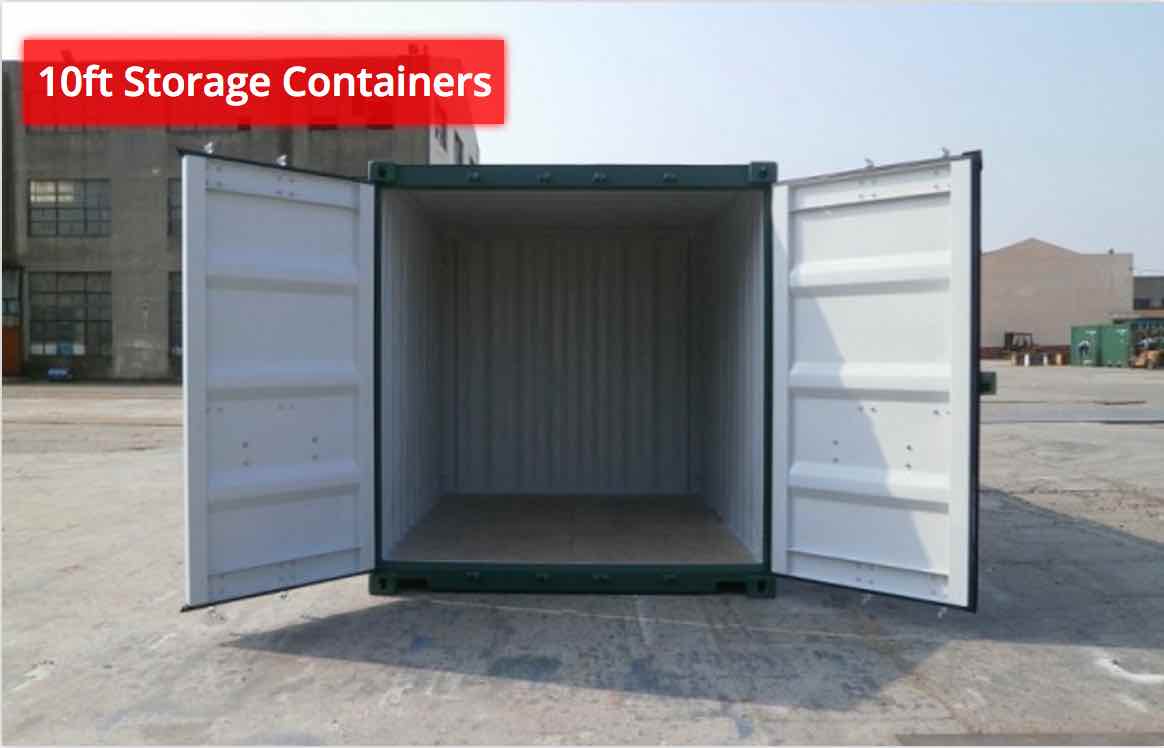
Our containerised storage service provides an option for keeping household possessions stored until they are needed.
When is storage not worthwhile?
Think carefully before storing inexpensive furniture or items you have not used for several years.
Compare the storage charges with the cost of replacing the belongings.
If you are paying to store something for twelve months that would cost less to replace, selling or donating it may be more economical.
Our guide on how to clean out a storage unit also explains how to prevent unnecessary possessions from accumulating.
What Should You Sell Before Downsizing?
Selling unwanted belongings can help recover some money and reduce the volume of possessions you need to transport.
Focus on items that are in good condition and have sufficient resale value to justify the effort.
Furniture and household equipment
Items that may attract buyers include:
- Good-quality solid wood furniture.
- Vintage and mid-century furniture.
- Modern sofas and dining sets in excellent condition.
- Working power tools and garden equipment.
- Recent televisions and electronic devices.
- Collectables, antiques and decorative items.
- Quality clothing and accessories.
Research comparable second-hand prices rather than assuming an item’s original purchase price reflects its current value.
Where should you sell unwanted belongings?
Local online selling platforms and community selling groups can be useful for large furniture because buyers may be willing to collect items directly.
Smaller valuable possessions may be suitable for online auctions or specialist resale services.
For valuable antiques or unusual collectables, consider obtaining a professional valuation before accepting an offer.
Set a deadline for selling
Avoid letting unsold furniture delay your move.
As a practical example, list belongings four to six weeks before moving and review unsold items after two weeks.
Reduce prices where appropriate. If the items remain unsold as moving day approaches, consider donating them.
Allow additional time for buyers to arrange collection.
What Should You Donate When Downsizing?
Donating usable belongings is a practical way to clear space while allowing other households to benefit from items you no longer need.
Local charity shops, furniture reuse projects and community organisations may accept a wide range of household goods.
Suitable items for donation
Common examples include:
- Clean clothing, shoes and accessories.
- Books and children’s toys in good condition.
- Unwanted crockery and kitchen utensils.
- Working household appliances, where accepted.
- Bedding and household textiles, subject to acceptance policies.
- Furniture that meets the receiving organisation’s requirements.
Always check what a charity accepts before arranging delivery.
Donating sofas and upholstered furniture
Upholstered furniture generally needs to meet applicable fire safety requirements before it can be supplied for reuse.
Many charities require permanent fire safety labels on sofas and armchairs. Damaged upholstery or missing labels may prevent acceptance.
Check the organisation’s requirements before booking collection.
Can charities collect large furniture?
Some furniture charities and reuse organisations offer collection services for suitable bulky items.
Availability varies, and collections may need to be arranged well in advance.
Alternatively, consider offering smaller belongings to neighbours, friends or local community reuse groups.
What Should You Do With Items Nobody Wants?
Not every possession is suitable for resale or donation.
Broken furniture, damaged electrical equipment and unusable household goods may require responsible disposal.
Check whether items can be repaired before discarding them.
Local household waste recycling centres accept various materials, although facilities and restrictions differ.
Electrical equipment should be handled through appropriate electrical recycling arrangements rather than placed in general household waste.
If you employ someone to remove unwanted waste, check that they are authorised to carry it.
How Do You Decide Which Furniture Will Fit?
Measuring furniture is one of the most important tasks when moving into a smaller home.
Record the width, depth and height of every large item you intend to keep.
Compare those measurements with your new floor plan, allowing space for doors, walkways and other furniture.
Measure access routes as well as rooms
Check:
- Doorway widths and ceiling heights.
- Staircases, landings and tight corners.
- Lift dimensions in flats.
- Hallways and entrance arrangements.
- Space needed to open cupboards and drawers.
A wardrobe might fit against a bedroom wall but be impossible to carry up a narrow staircase.
Remember that some furniture can be dismantled, although this depends on its construction.
Where space is limited, consider furniture with built-in storage or smaller alternatives.
Downsizing Room by Room: What Should You Keep?
Different rooms require different decisions.
| Room | Keep | Consider Removing |
|---|---|---|
| Living Room | Main seating, television, essential storage | Excess chairs, occasional tables |
| Kitchen | Regular cookware, daily appliances | Duplicate utensils, unused gadgets |
| Bedrooms | Beds, everyday clothing, suitable wardrobes | Spare furniture, unused bedding |
| Bathroom | Toiletries, towels, essential supplies | Expired products, duplicates |
| Garage | Frequently used tools, necessary equipment | Broken tools, unwanted materials |
| Loft | Important keepsakes, useful seasonal items | Forgotten boxes, unused furniture |
Use this as a starting point rather than a strict rule.
For example, someone who regularly hosts family gatherings may need more dining furniture than a person living alone.
The aim is to create a home that supports your lifestyle without unnecessary clutter.
How Far in Advance Should You Start Downsizing?
Ideally, begin sorting approximately six to eight weeks before your planned move, allowing longer for substantial properties or large collections.
Six to eight weeks before moving
Measure your new property, identify unsuitable furniture and begin sorting storage areas.
Create an inventory of everything you intend to take.
Four to six weeks before moving
List valuable unwanted items for sale and contact charities about donations.
Arrange collection for bulky furniture where necessary.
Two to four weeks before moving
Finish sorting cupboards, wardrobes and spare rooms.
Begin packing belongings you do not regularly need.
Our guide on how to pack for moving house explains how to protect and organise possessions for transport.
The final week
Confirm your removal arrangements, dispose of remaining unwanted items and prepare an essentials box.
Keep medication, identification, important documents and other valuables accessible throughout the move.
Does Downsizing Reduce Removal Costs?
Downsizing can reduce removal expenses because fewer belongings generally mean less packing, loading and transportation work.
However, your quotation will depend on several factors, including:
- The total volume of possessions.
- Distance between properties.
- Property access and parking arrangements.
- Requirements for dismantling furniture.
- Packing and unpacking services.
- Additional storage requirements.
For example, removing several wardrobes, a large dining table and surplus bedroom furniture could reduce the volume requiring transportation.
However, a smaller property with restricted access may still present logistical challenges.
Discuss your final inventory with your removal company so the quotation reflects what you actually intend to move.
How Can You Make Moving Into a Smaller Home Easier?
Once you have decided which belongings to retain, organise them around the layout of your new property.
Label boxes according to their destination rooms and keep a separate inventory for anything going into storage.
We recommend prioritising essential furniture and avoiding filling every available cupboard immediately.
If you are using professional house removals, explain which items are being taken to your new property and which require storage.
For customers downsizing in Cumbria, our removal services in Kendal can help with planning and transporting household belongings.
Allow yourself time to settle in before purchasing replacement furniture. Living in the property for a few weeks may reveal what additional storage or furnishings you actually need.
Frequently Asked Questions About Downsizing Your Home
What is the hardest part of downsizing?
Deciding what to do with sentimental belongings is often particularly challenging. Focus on keeping meaningful possessions rather than retaining every object associated with a memory.
Should I sell furniture before moving house?
Yes, particularly if it will not fit your new property. Selling beforehand can reduce removal requirements and avoid paying to transport unsuitable furniture.
Is it better to sell or donate unwanted items?
Sell belongings with worthwhile resale value when you have sufficient time. Donate items that are usable but unlikely to generate enough money to justify listing and arranging collection.
How much does storage cost when downsizing?
Storage costs depend on the space required, storage type and rental duration. Obtain a quotation and consider whether the belongings justify the ongoing expense.
What should older people consider when downsizing?
Accessibility, manageable furniture, reduced maintenance and suitable storage are important. Keep everyday items within easy reach and avoid cluttering hallways or access routes.
Can I downsize without getting rid of sentimental belongings?
Yes. Prioritise your most meaningful possessions, photograph bulky keepsakes where appropriate and consider temporary storage for items you are not ready to part with.
Can a removal company help with downsizing?
A removal company can assist with transporting retained belongings and may provide packing or storage services. Confirm which services are available when requesting your quotation.
Planning a Smaller House Move?
Downsizing gives you the opportunity to create a more manageable living space, reduce unnecessary belongings and organise your home around the things that matter most.
At Steeles Removals, we provide domestic removal and storage solutions across Cumbria and surrounding areas.
Whether you are moving from a large family home into a smaller property or need somewhere to store furniture between moves, our team can discuss your requirements and provide a quotation.
Call us on 0800 019 3577 or email info@steelesremovals.co.uk to discuss your move.