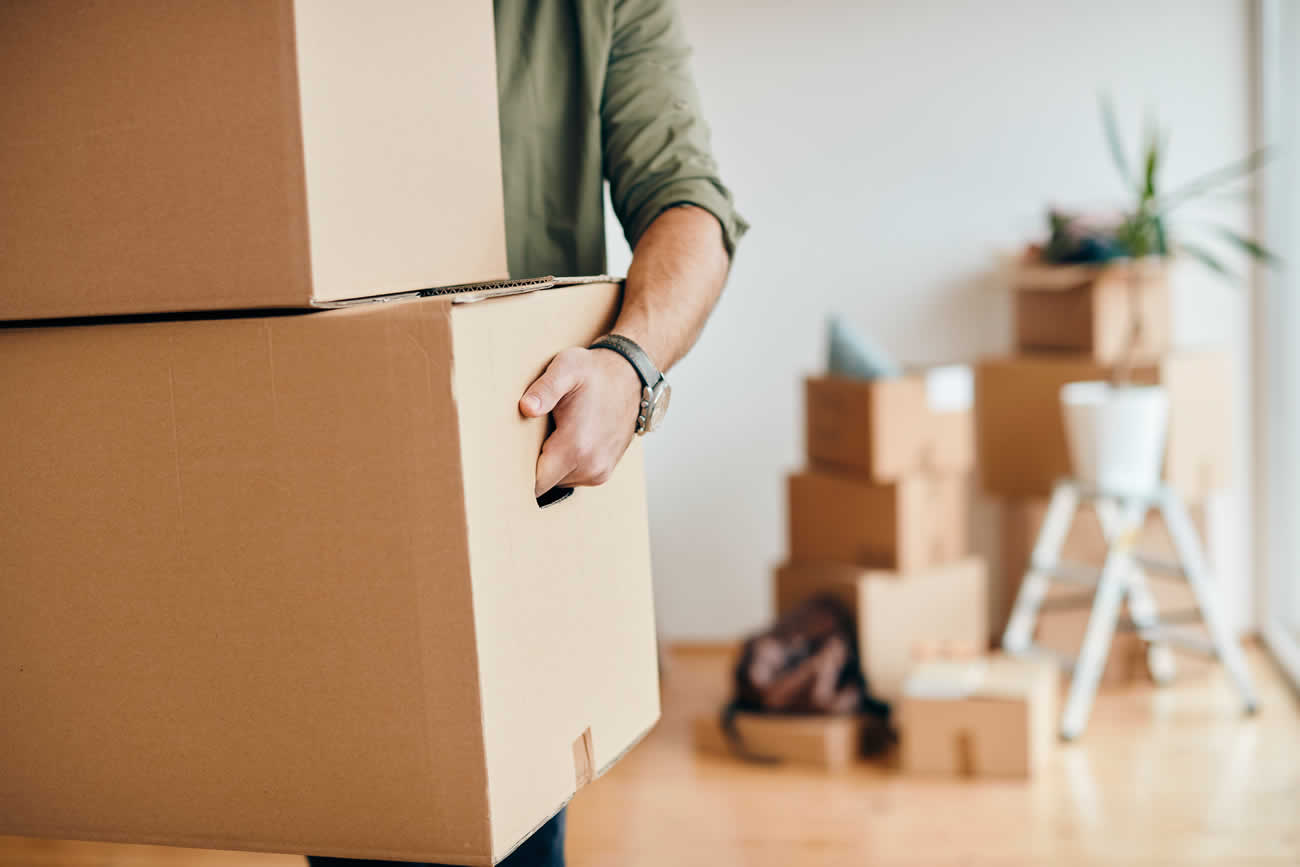

Moving house can be an overwhelming experience, especially when it comes to packing up all your belongings. Ensuring that your items are securely packed is vital not only to prevent damage during the move but also to help you settle into your new home more efficiently. Drawing from years of experience in the removals industry, we provide practical advice to help streamline your packing process.
Understanding the Importance of Proper Packing
Effective packing can save you time, stress, and potentially money. Mismanaged packing can lead to broken items, disorganised boxes, and unnecessary delays. When you know how to pack correctly, you can:
- Efficiently use space in boxes and vehicles.
- Ensure safety for fragile items.
- Make unpacking easier by clearly labelling boxes.
This careful approach allows you to focus on other aspects of your move without worrying about the state of your possessions.
Getting Started: Gathering Packing Supplies
Before diving into the packing process, gather the necessary supplies. Having all materials on hand can significantly ease the packing journey.
Essential Packing Materials:
- Sturdy boxes in various sizes
- Bubble wrap for fragile items
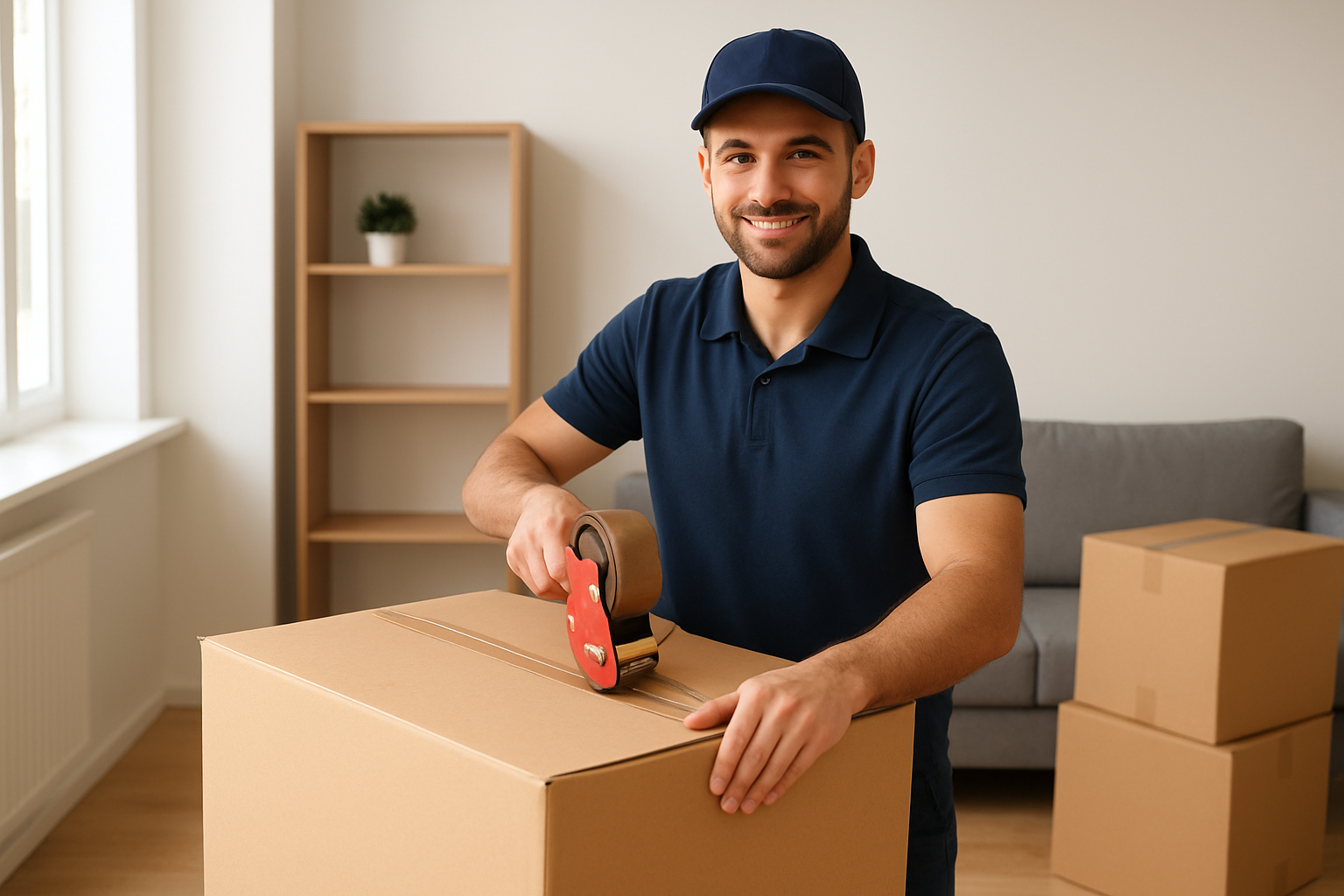
- Packing tape and dispenser
- Marker pens for labelling
- Newspaper or packing paper
- Scissors
- Furniture covers or blankets for larger items
Investing in quality materials will pay off and help protect your belongings effectively.
Strategic Packing Techniques
How you approach packing can make a significant difference in your moving experience. Here are some techniques to keep in mind:
Start Early: Packing is a time-consuming task. Begin as early as possible to reduce the last-minute rush. One effective method is to start with items you use less frequently, steadily progressing to everyday essentials.
Room by Room: Focus on packing one room completely before moving to another. This keeps items together, making it easier to unpack later.
Label Everything: Write detailed labels on each box indicating its contents and the room it belongs in. This not only saves time when unpacking but helps movers manage everything efficiently.
Packing Fragile Items with Care
Your fragile items, such as glassware and electronics, require specific attention. Using the right packing techniques will help prevent any damage during transit.
Tips for Packing Fragile Items:
- Wrap each item individually using bubble wrap or packing paper.
- Use ample cushioning (like crumpled paper) at the bottom and between layers of boxes to provide extra protection.
- Clearly mark boxes containing fragile items as “FRAGILE” to ensure they are handled with care.
Taking these steps can dramatically lower the risk of breakages.
Managing Large or Heavy Items
When it comes to larger items like furniture, the packing approach changes. Here’s how to manage them more effectively:
Disassemble When Possible: If you can take apart bigger furniture pieces, it simplifies both the packing and transporting processes. Make sure to keep screws and bolts in a labelled bag.
Use Furniture Covers: To protect your furniture from scratches and damage, use furniture covers or blankets. This added layer is especially useful during transport.
Plan for the Heavy Stuff: When lifting heavy items, ensure you have adequate help. Using a dolly can also save your back and make the process smoother.
Maximising Space in Packing Boxes
Effective use of space is critical for transporting belongings. To maximise space:
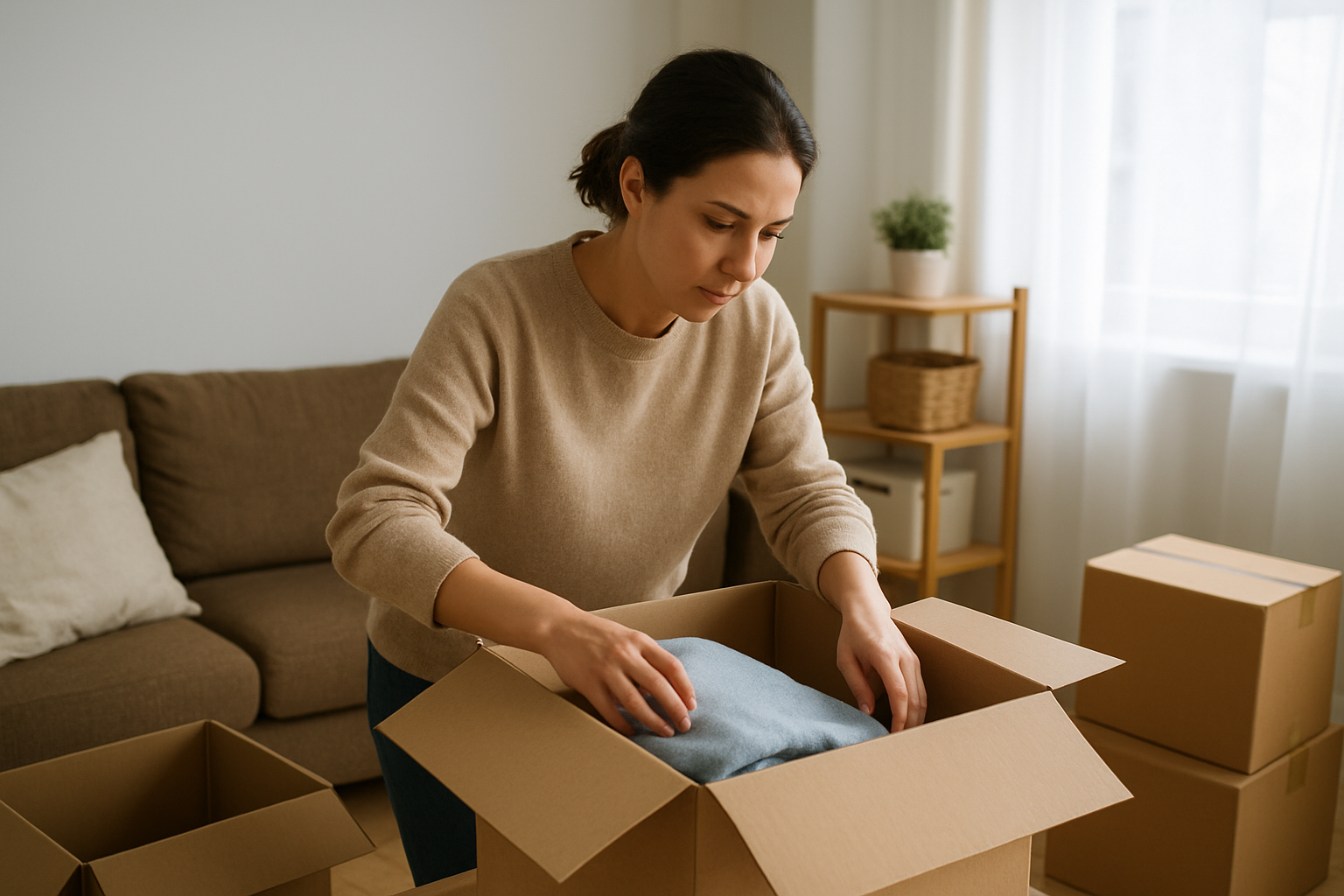
Fill Gaps: Use clothing, pillows, or blankets to fill empty spaces in boxes. This prevents items from shifting and reduces movement.
Stack Wisely: Place heavier items on the bottom and lighter items on top within each box. This maintains balance and prevents crushing fragile items.
Use Every Nook and Cranny: Don’t forget to utilise spaces within appliances (like the inside of the oven) or drawers in furniture for storing smaller items.
Organising Your Unpacking Strategy
Finally, planning for unpacking can streamline your post-move experience. Here’s how to keep organised:
Prioritise Essentials: Clearly label boxes that contain essential items for the first day or two, such as toiletries, clothes, and kitchenware. This makes settling in much quicker.
Take Your Time: Unpacking can take time, so don’t rush. Aim to unpack thoughtfully, ensuring everything goes into its designated place.
Room Strategy: Unpack in order of priority—start with bedrooms, move to the kitchen and then tackle living spaces. This ensures your home becomes functional quickly.
What We Get Asked…
Should I hire a professional removals company?
Engaging a professional removals company can alleviate much stress, particularly for larger households or those new to the moving process. Their expertise ensures faster, safer transfers.
How do I find quality packing supplies?
Most local shops provide boxes at minimal cost, while online retailers offer a variety of packing materials. Opt for robust packaging to better protect your items.
What if I run out of packing supplies?
If you find yourself short, it’s best to pause your packing and procure more supplies, rather than compromising safety and organisation. This will save you more time in the long run.
Our Final Thoughts
Proper packing is crucial to a successful move. Following these expert tips can help to safeguard your belongings, streamline the process, and contribute to a smoother transition into your new home. Planning is key, and it pays to allocate time specifically for packing. If you’re feeling overwhelmed at the prospect of moving, reach out to a reputable removals company for assistance.
For further helpful resources, consider checking out our packing guide and insights on engaging a professional removals company. Your peace of mind during this transition is our priority.
Frequently Asked Questions About Packing
How far in advance should I start packing?
It is advisable to begin packing at least four weeks before your moving date. Starting early allows you to pack room by room and reduces stress closer to the big day.
What items should I pack last?
Items that you use daily, such as toiletries and kitchen necessities, should be packed last. Make sure these are easily accessible for the first day in your new home.
Can I leave clothes in drawers?
Generally, it’s best to remove clothes from drawers for better packing. However, if the drawers are light, you may leave clothes inside as long as the drawers can be secured shut.
Conclusion
With the right packing strategies, your move can be both efficient and less stressful. By taking the time to plan, gather essential supplies, and use strategic techniques, you can ensure that your belongings are well protected and easy to access upon arrival. Remember, hiring a professional removals company can offer additional support for a seamless transition.